How to Choose the Perfect Winter Jacket for Canadian Winters: A Complete Guide

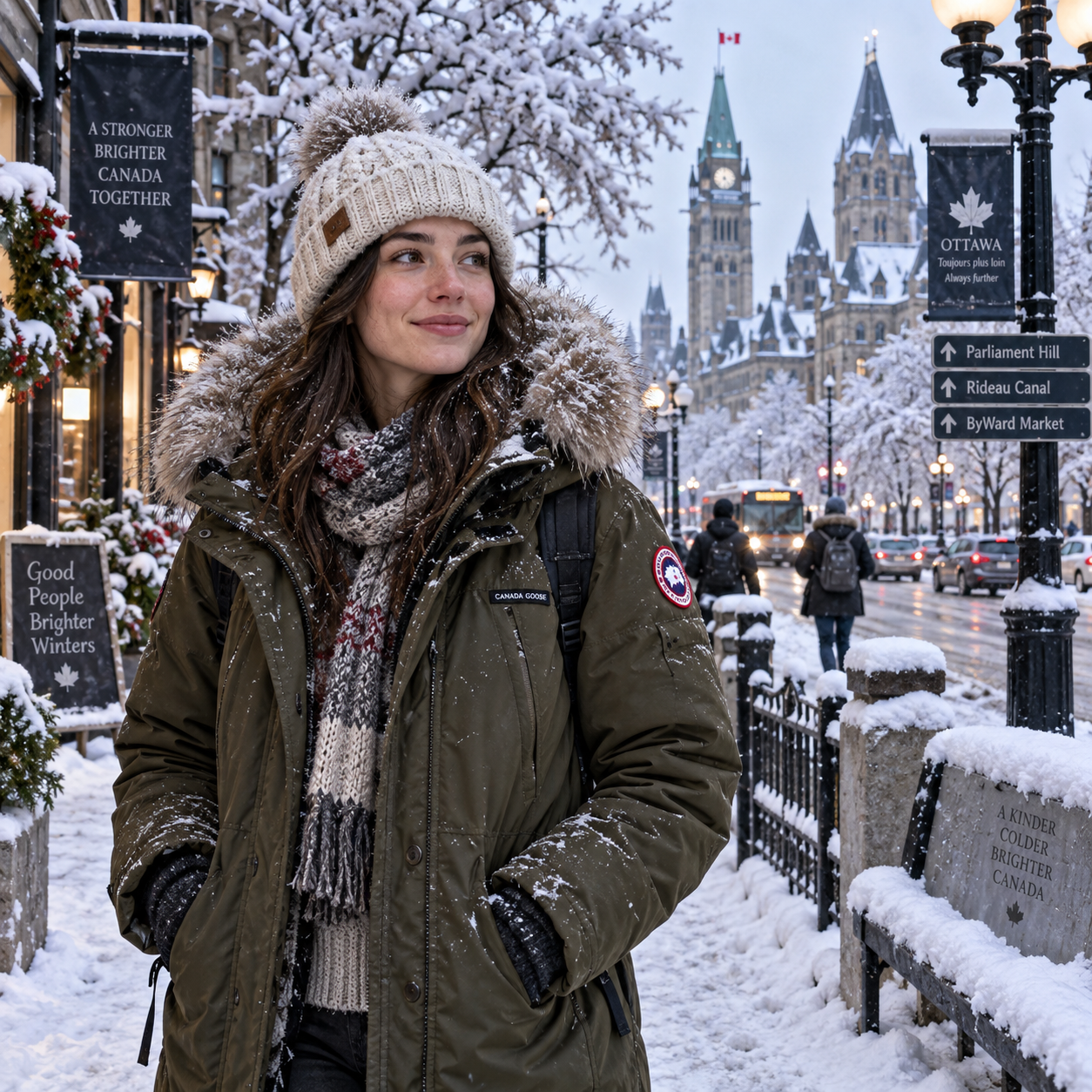
Choosing a winter jacket for Canadian winters starts with your local weather, daily routine, and tolerance for cold. The right coat should balance insulation, wind protection, moisture resistance, comfort, mobility, and long-term value rather than relying on appearance or a single temperature label.
Canadian conditions vary widely. A jacket for wet coastal weather may differ from one designed for dry prairie cold, while an urban commuter may need a different combination of length and mobility than someone who spends hours outdoors. This guide explains the features that matter and how to compare options at a Canadian winter jacket outlet.
Start With Your Canadian Winter Conditions
Your local Canadian winter conditions should determine your jacket’s insulation, shell protection, length, and features. Consider temperature, wind, snow, rain, humidity, commute time, and activity before choosing a style.
Temperature matters, but the number on a weather app never tells the whole story. Wind can make a moderately cold day feel harsh, while damp conditions can make inadequate outerwear uncomfortable even when the thermometer is above freezing. Think in terms of the conditions you regularly face, not the most extreme day of the season.
- Cold prairie or northern climates: Look for substantial insulation, a windproof construction, an insulated hood, storm cuffs, and good hem coverage.
- Wet coastal regions: Prioritize a waterproof or highly water-resistant shell, breathable materials, sealed seams, and insulation that retains performance when moisture is present.
- Variable central Canadian weather: A versatile jacket with room for layering can handle cold snaps, wet snow, wind, and milder winter days.
- Urban commuting: Choose features that help during waiting, walking, and transit, such as covered zippers, practical pockets, and a length that protects your lower back.
- Outdoor recreation: Give greater weight to breathability, mobility, abrasion resistance, and compatibility with base and mid-layers.
Also estimate how long you spend outside at one time. A short walk from a heated car to a building requires less protection than a 30-minute transit commute or a full day on a ski hill. The most expensive or heavily insulated coat can feel excessive if you mainly need flexible, everyday coverage.
Choose the Right Insulation: Down vs. Synthetic
Down insulation offers excellent warmth-to-weight performance, while synthetic insulation handles moisture more reliably and often costs less. Neither option is universally best for Canadian winters; the better choice depends on exposure, climate, care, and budget.
Down insulation
Down uses the fine under-feathers of waterfowl to trap warm air. It is lightweight, compressible, and comfortable for cold, relatively dry conditions. A quality down jacket can provide substantial warmth without the bulk associated with some other insulated coats.
Its main weakness is moisture. When down becomes wet, it can lose loft and insulating ability, then take longer to dry. A down-filled coat therefore works best with a dependable water-resistant or waterproof outer shell and sensible care. It also tends to command a higher price, although outlet pricing can improve its value.
Synthetic insulation
Synthetic insulation uses manufactured fibres designed to retain heat. It generally performs more consistently in damp or snowy weather, dries faster, and is often easier to maintain. For everyday Canadian use, especially in wet regions or during active errands, synthetic insulation can be the practical choice.
The trade-off is that synthetic fill may be heavier or less compressible than down at a similar warmth level. Over time, some synthetic materials can lose loft through repeated compression. Compare the jacket’s bulk, construction, care instructions, and intended use rather than choosing based on the insulation label alone.
A useful decision rule is simple: choose down when low weight and packability matter most and you can keep the jacket reasonably dry; choose synthetic when moisture, frequent use, easy care, and value matter more. Hybrid designs can offer a middle ground.
Look for Weather-Protection Features
Effective winter protection comes from the combination of insulation and a well-designed shell. Look for waterproofing or water resistance, windproof construction, breathability, sealed seams, and adjustable openings that prevent heat loss.
Water-resistant jackets repel light snow and brief precipitation, but they are not the same as waterproof jackets. A waterproof shell is designed to block more persistent rain or wet snow, especially when it includes sealed seams and protected closures. The trade-off is that highly protective fabrics may feel less soft or less breathable than lighter everyday materials.
- Windproof construction: A tightly woven outer fabric, storm flap, and secure closures reduce cold air entering through the front and seams.
- Breathability: Breathable materials help moisture vapour escape during walking or active use, reducing clamminess inside the coat.
- Sealed seams: Taped or sealed seams limit water entry through stitched areas, which are common weak points.
- Storm flaps: A flap over the main zipper adds another barrier against wind and precipitation.
- Insulated hood: A hood should adjust around the face and remain useful over a hat without blocking peripheral vision.
- Storm cuffs: Inner cuffs or adjustable sleeve openings help stop cold air and snow from reaching your wrists.
- Durable outer fabric: Reinforced materials are valuable if you carry a backpack, use public transit, or work around rough surfaces.
Check the zipper action, snaps, and cuff adjustments in person if possible. Small construction details often affect daily comfort more than decorative features.
Select the Best Jacket Style for Your Needs
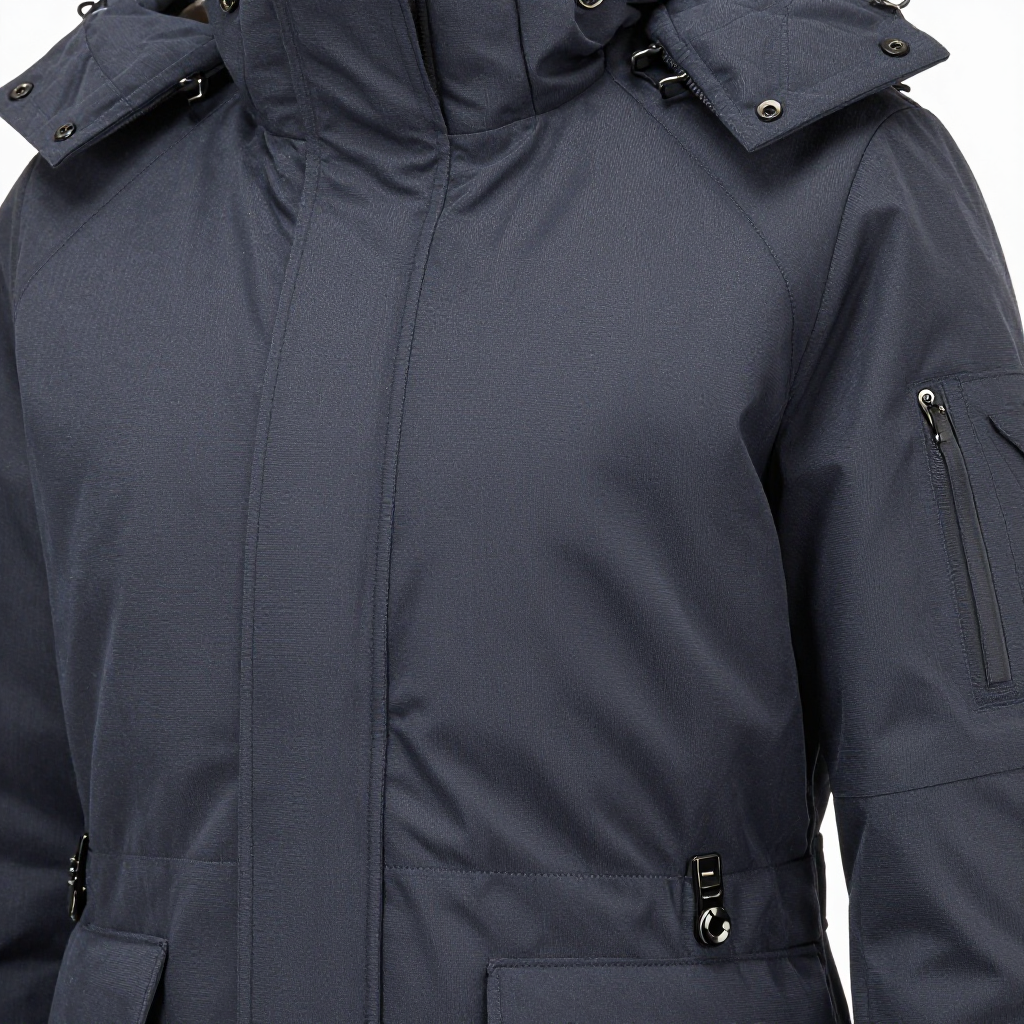
Parkas provide the most coverage, while puffer jackets and shorter insulated coats offer lighter weight and easier mobility. Select the style according to how long you stay outdoors, how active you are, and how much lower-body coverage you need.
- Parkas: Longer hems, generous insulation, and protective hoods make parkas well suited to cold commutes, waiting outdoors, and extended everyday wear.
- Puffer jackets: Puffer jackets can be warm and lightweight, with a familiar quilted construction that works well for casual wear and travel. Their warmth varies considerably with fill and design.
- Insulated jackets: These versatile coats often provide a balance of warmth, mobility, and packability for errands, walking, and outdoor activities.
- Shell systems: A waterproof shell worn over separate insulating layers offers flexibility across changing weather. It requires more planning and may cost more when all layers are purchased separately.
- Shorter winter coats: Short coats are easier to move in and suit driving or active use, but they provide less protection for the hips and upper legs.
For a daily city coat, a mid- to longer-length parka is often convenient. For hiking, snowshoeing, or cycling, a shorter, breathable insulated jacket may prevent overheating and improve movement. Travel favours compressibility and adaptable layering, while stationary outdoor work demands reliable coverage and weather protection.
Get the Fit and Layering Right
A winter jacket should fit comfortably over your normal base and mid-layers without restricting movement or leaving large gaps. The ideal fit preserves warm air, allows arm movement, and keeps cuffs, hood, and hem in position.
Wear the type of clothing you expect to use beneath the jacket when trying it on. A moisture-wicking base layer and a fleece or light sweater are common combinations. Raise your arms, reach forward, sit down, and zip the coat fully. If the shoulders pull or the sleeves ride up, the size is too small for practical layering.
Check these fit points:
- The shoulder seams should sit close to the natural shoulder without digging in.
- Sleeves should cover the wrists when your arms extend forward.
- The hem should protect the area you want covered without interfering with walking or driving.
- The hood should fit over your intended hat and adjust around the face.
- The waist and cuffs should close securely without creating uncomfortable pressure.
- The jacket should allow you to bend, reach, and carry a bag without excessive bunching.
An oversized coat is not automatically warmer. Too much empty space can reduce control and allow wind to circulate, while an overly tight coat can compress insulation and make layering impossible. Aim for functional room, especially through the chest, shoulders, and upper arms.
Check Practical Details and Overall Value
Overall jacket value depends on useful features, durability, maintenance, versatility, and cost per wear. A lower outlet price is attractive only when the coat suits your climate and will withstand regular use.
Look for pockets that match your routine. Zipped hand pockets protect keys and phones, while an internal pocket can keep electronics closer to your body. Two-way zippers help with sitting and driving, and removable hoods or liners can make a jacket more adaptable across the season.
Read the care label before buying. Down may require careful washing and thorough drying, while synthetic insulation is often simpler to maintain. Washing the coat incorrectly can damage loft, coatings, or hardware. Follow the manufacturer’s instructions and avoid assuming that every insulated jacket can be treated like ordinary clothing.
For outlet shopping, inspect the garment carefully. Check zippers, snaps, seam integrity, cuffs, pockets, and the condition of the insulation. Confirm the return policy, warranty terms, and whether the item is a current model or a discontinued colour. A simple cost-per-wear calculation helps: divide the purchase price by the number of seasons and days you expect to use it. A durable coat worn several times each week can offer better value than a cheaper jacket that fails during its first winter.
A Simple Winter Jacket Buying Checklist
Before purchasing, confirm that the jacket matches your climate, insulation needs, weather exposure, fit, features, maintenance requirements, and budget. Use this checklist in a store or while comparing products online.
- Climate: What temperatures, wind, snow, rain, and humidity will you regularly face?
- Activity: Will you commute, walk, drive, travel, work outdoors, or exercise in the jacket?
- Insulation: Is down, synthetic insulation, or a hybrid design better for your moisture exposure and care preferences?
- Shell: Is the outer fabric waterproof or water-resistant, windproof, durable, and breathable enough for your use?
- Construction: Does it have sealed seams, a storm flap, an insulated hood, and storm cuffs?
- Fit: Can you wear your base and mid-layers while reaching, sitting, and carrying a bag comfortably?
- Coverage: Does the hem protect the areas you need, and do the sleeves stay over your wrists?
- Features: Are the pockets, zippers, hood, and removable components genuinely useful?
- Maintenance: Can you follow the care instructions, and will the fabric tolerate your routine?
- Value: Does the outlet price make sense for the coat’s expected durability and cost per wear?
For general cold-weather safety guidance, consult information from Health Canada’s extreme cold resources. Clothing cannot replace sensible exposure planning, particularly during severe weather.
Frequently Asked Questions
What type of winter jacket is best for very cold Canadian weather?
A well-insulated parka with a windproof shell, insulated hood, storm cuffs, and good hem coverage is usually suitable for very cold conditions. The best choice still depends on your activity level, layering system, moisture exposure, and time spent outdoors.
Is down or synthetic insulation better for Canadian winters?
Down is light, warm, and packable, but synthetic insulation generally handles damp conditions and frequent maintenance more easily. Choose according to your local weather and how you use the jacket.
How should a winter jacket fit over layers?
It should fit over a base layer and mid-layer without pulling at the shoulders or compressing the insulation. You should be able to reach, bend, sit, and raise your arms while keeping the cuffs and hem in place.
Are waterproof and water-resistant jackets the same?
No. Water-resistant fabric can repel light precipitation for a limited time, while waterproof construction offers stronger protection against sustained rain or wet snow, especially when seams are sealed.
What features should I look for in a winter parka?
Focus on suitable insulation, a windproof and weather-resistant shell, an adjustable insulated hood, storm cuffs, protected zippers, durable fabric, practical pockets, and enough room for layering.