Sustainable & Ethical Winter Wear: How to Choose Eco-Friendly Canadian Outerwear

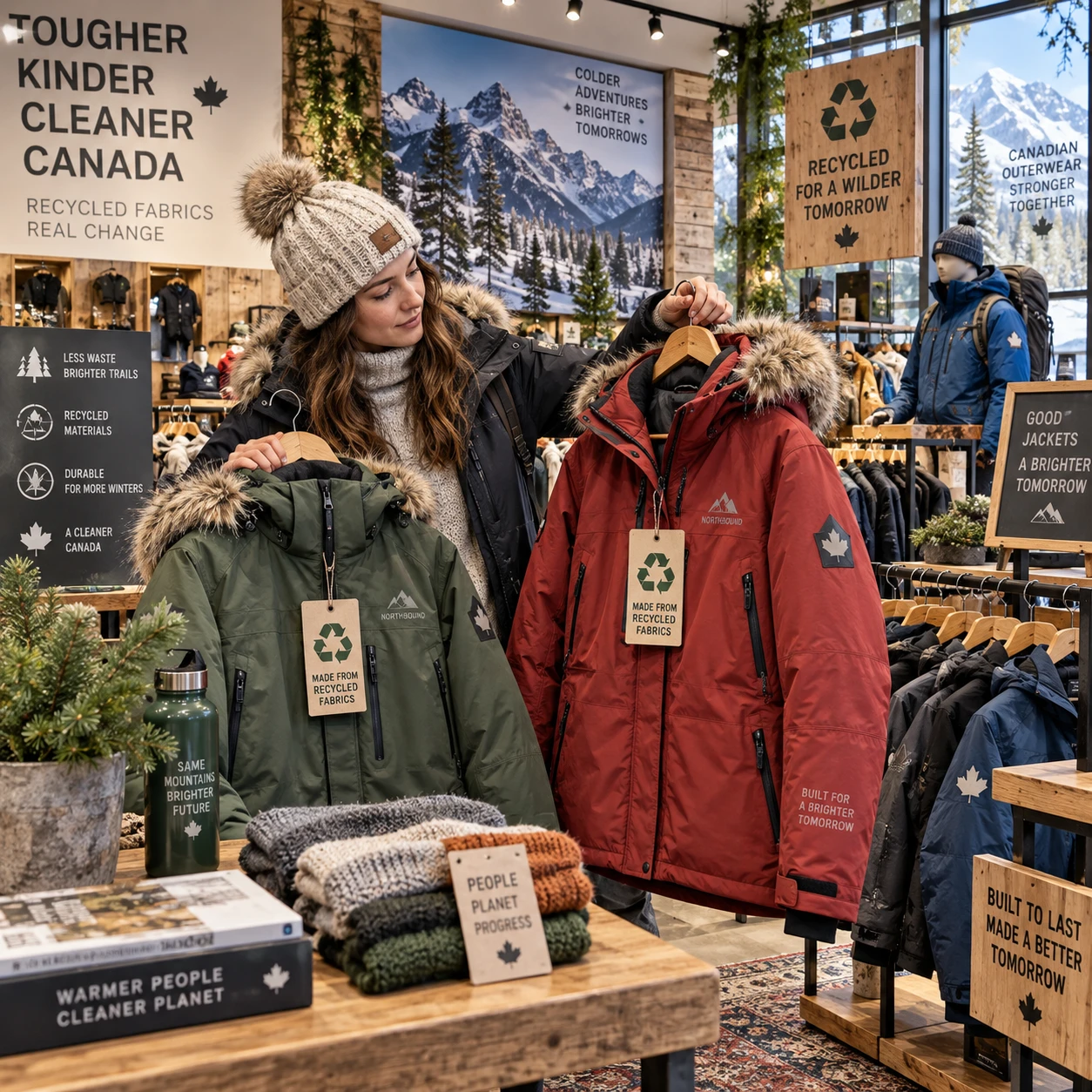
Buying a winter jacket for Canada means weighing warmth, weather protection, cost, and environmental impact. Sustainable outerwear can reduce some harms through better materials, responsible manufacturing, long service life, and repair options, but no single fabric or label makes a jacket automatically eco-friendly.
The most useful approach is to start with your climate and daily routine, then check how a jacket is made and how long you can keep it in use. That helps you find outerwear that performs in real winter conditions instead of choosing a product based on a green claim alone.
What Makes Winter Outerwear Sustainable and Ethical?
Sustainable and ethical winter outerwear considers a jacket’s materials, manufacturing, working conditions, and useful lifespan. For shoppers, the strongest signs are specific, verifiable information about sourcing, production, and repair rather than broad claims such as “conscious” or “green.”
Environmental impact can come from producing fibres, dyeing and finishing fabric, transporting materials, and eventually disposing of the garment. Recycled materials may reduce demand for virgin resources, while durable construction can help a jacket stay in use longer. Each choice has trade-offs: recycled synthetics, for example, still shed microfibres during washing and remain plastic-based.
Ethical manufacturing concerns the people who make the jacket. Look for information about factory locations, labour standards, supplier oversight, and how the company handles concerns or audits. A product made in Canada is not automatically more sustainable or ethical; local production can shorten some transport routes, but labour conditions and material sourcing still matter.
Think of a jacket’s responsibility profile as four connected checks: materials, makers, performance, and lifespan. A weakness in any one area can undermine the whole purchase. A low-impact fabric is of limited value if the jacket is poorly made, unsuitable for your weather, or difficult to repair.
Materials and Insulation to Consider
Eco-friendly winter jackets may use recycled shell fabrics, responsibly sourced down, or synthetic insulation, each with different strengths. Compare the full garment rather than treating one material as proof of sustainability.
Recycled polyester or nylon can be used in shell fabrics, linings, and insulation. These materials make use of existing plastic feedstocks, but their environmental benefits depend on the source, manufacturing process, and product lifespan. Check whether the brand identifies what is recycled and where it appears in the jacket; “made with recycled materials” may describe only a small component.
Down insulation offers strong warmth for its weight and compresses well, which can suit cold, dry conditions and travel. If you choose down, look for clear sourcing information and a recognized responsible-down standard, then review what that standard covers. Certification can help trace or assess parts of a supply chain, but it does not answer every question about a brand’s labour practices or overall footprint.
Synthetic insulation is often made from polyester and can retain more insulating ability than down when damp, depending on the product and conditions. Recycled synthetic fill may reduce the use of virgin feedstock, though it still has plastic-related impacts and may be harder to recycle once combined with shells, zippers, and trims.
Other useful details include a durable water-repellent finish, recycled lining, and fabric designed for abrasion resistance. Ask what the finish contains and whether it needs periodic renewal. Water resistance, breathability, and insulation are separate features; a jacket can excel at one and fall short at another.
Match the Jacket to Canadian Winter Conditions
The right sustainable winter jacket is one that suits your local weather, activity, and layering needs. Warmth and weather protection come first; a jacket that cannot handle your conditions is unlikely to remain a useful purchase.
Canada’s winters vary widely. A person walking between transit stops in a wet coastal climate may need a waterproof shell and adjustable hood, while someone in a colder, drier region may prioritize insulation and wind resistance. For prolonged outdoor work, fit, coverage, cuffs, and a storm flap can matter as much as the insulation type.
Before shopping, answer three questions:
- How cold and wet is your typical winter? Check the weather you actually face, including wind and freezing rain, rather than relying on a generic temperature rating.
- How active will you be? Walking briskly or skiing generates more heat than waiting outdoors. A breathable, layer-friendly jacket may prevent overheating.
- What features are essential? Consider hood adjustability, pocket placement, hem coverage, ventilation, and room for a sweater or midlayer.
Try the jacket with the layers you expect to wear. Tight shoulders or compressed insulation can reduce comfort, while an oversized fit can let cold air circulate. Check the care label too: a high-performance jacket that requires cleaning you cannot reasonably manage may be a poor match for everyday use.
Look Beyond the Label: Check Brand Practices
To assess a winter jacket brand, look for specific details about materials, factories, suppliers, and worker protections. Certifications can provide useful evidence for defined standards, but they are not a complete guarantee of ethical conduct or environmental performance.
Start with the product page and company reporting. Useful disclosures identify material percentages, the type of insulation, manufacturing locations, and how the brand monitors suppliers. If information is missing, ask a direct question: “Which parts of this jacket are recycled, and where is it assembled?” A precise answer is more useful than a general sustainability slogan.
Certifications vary in scope. Some address fibre content or chemical management; others focus on animal-welfare practices or factory conditions. Check what a named standard actually assesses, whether it applies to this product or only to a facility, and whether the brand explains its supply-chain transparency. Avoid assuming that one badge covers the entire garment’s lifecycle.
Also look for evidence of accountability: published targets, progress updates, supplier policies, and accessible repair or warranty terms. These do not prove that every impact has been solved. They do make it easier to judge whether the company shares enough information for shoppers to make an informed decision.
Choose for Durability, Care, and Repair
A durable winter jacket that can be maintained and repaired may serve you for many seasons, reducing the need for frequent replacement. Strong stitching, robust zippers, replaceable components, and accessible repair support are practical signs to check before buying.
Inspect stress points such as cuffs, pocket openings, seams, and the zipper base. A well-made jacket should feel appropriate for its intended use, but heavier fabric alone does not guarantee durability. Ask whether the brand sells replacement parts, offers repairs, or provides clear instructions for patching small tears.
Care affects performance and longevity. Follow the garment’s care label, close fasteners before washing, and avoid unnecessary laundering. For waterproof shells, dirt and oils can reduce water repellency over time; suitable cleaning and reproofing may restore performance, but follow the manufacturer’s instructions to avoid damaging the fabric or finish.
One common mistake is choosing the cheapest jacket that meets today’s need without considering repair or replacement. Another is buying an overbuilt coat for conditions you rarely face. The better value is usually the jacket that fits your regular use, can be cared for at home, and has a realistic path to repair if a zipper or seam fails.
A Practical Checklist for Shopping
Choose a Canadian winter jacket by checking climate fit, materials, manufacturing information, and repair options before comparing price. This checklist works whether you shop online or browse a Canadian winter jacket outlet in person.
- Climate: Does the jacket suit your usual temperatures, wind, precipitation, and time outdoors?
- Materials: Are recycled fabrics, down, or synthetic insulation clearly identified, including their proportions?
- Weather resistance: Does the jacket provide the waterproofing, breathability, and wind protection you need?
- Ethics: Does the brand share factory, supplier, and worker-protection information?
- Durability: Do the seams, zipper, fabric, and design appear suitable for regular wear?
- Care and repair: Can you follow the care instructions, and are repairs or replacement parts available?
- Value: Is the price reasonable for the jacket’s expected use, performance, and support?
At an outlet, compare the exact model and season rather than assuming a discount signals poor quality or a sustainability benefit. Check the care label, inspect the garment for defects, and confirm the return policy and warranty. If you are choosing between two options, prioritize the one that fits your weather and is more likely to stay in regular use; a feature you never need does not add much value.
Frequently Asked Questions
These answers cover common questions about eco-friendly winter outerwear, insulation, ethical production, and Canadian weather. The right choice depends on the full jacket and how you plan to use it.
What materials should I look for in eco-friendly winter outerwear?
Look for clearly described recycled shell or lining fabrics, durable materials, and insulation suited to your climate. If choosing down, check its sourcing and any relevant animal-welfare standard. No material is impact-free, so also consider garment durability, care needs, and repairability.
Is recycled synthetic insulation a sustainable option?
It can be one part of a more responsible choice, particularly when it provides the warmth and damp-weather performance you need. Recycled polyester may reduce reliance on virgin feedstock, but it is still plastic-based and may shed microfibres. A long-lasting jacket with clear material information is a stronger choice than relying on recycled content alone.
How can I assess whether a winter jacket is ethically made?
Look for factory and supplier disclosures, labour policies, worker protections, and information about how the brand monitors its supply chain. Treat certifications as evidence about specific standards, not proof that every part of production is ethical. If the company gives only broad claims, ask for details.
Does a sustainable jacket still perform in severe Canadian weather?
Yes, many jackets made with recycled materials or responsibly sourced insulation can perform well in severe weather, provided the design matches the conditions. Check insulation, waterproofing, wind resistance, fit, and coverage for your intended use. Sustainability cannot compensate for a jacket that is too cold or too wet for your local winter.