The Ultimate Layering Guide: What to Wear Under Your Winter Jacket

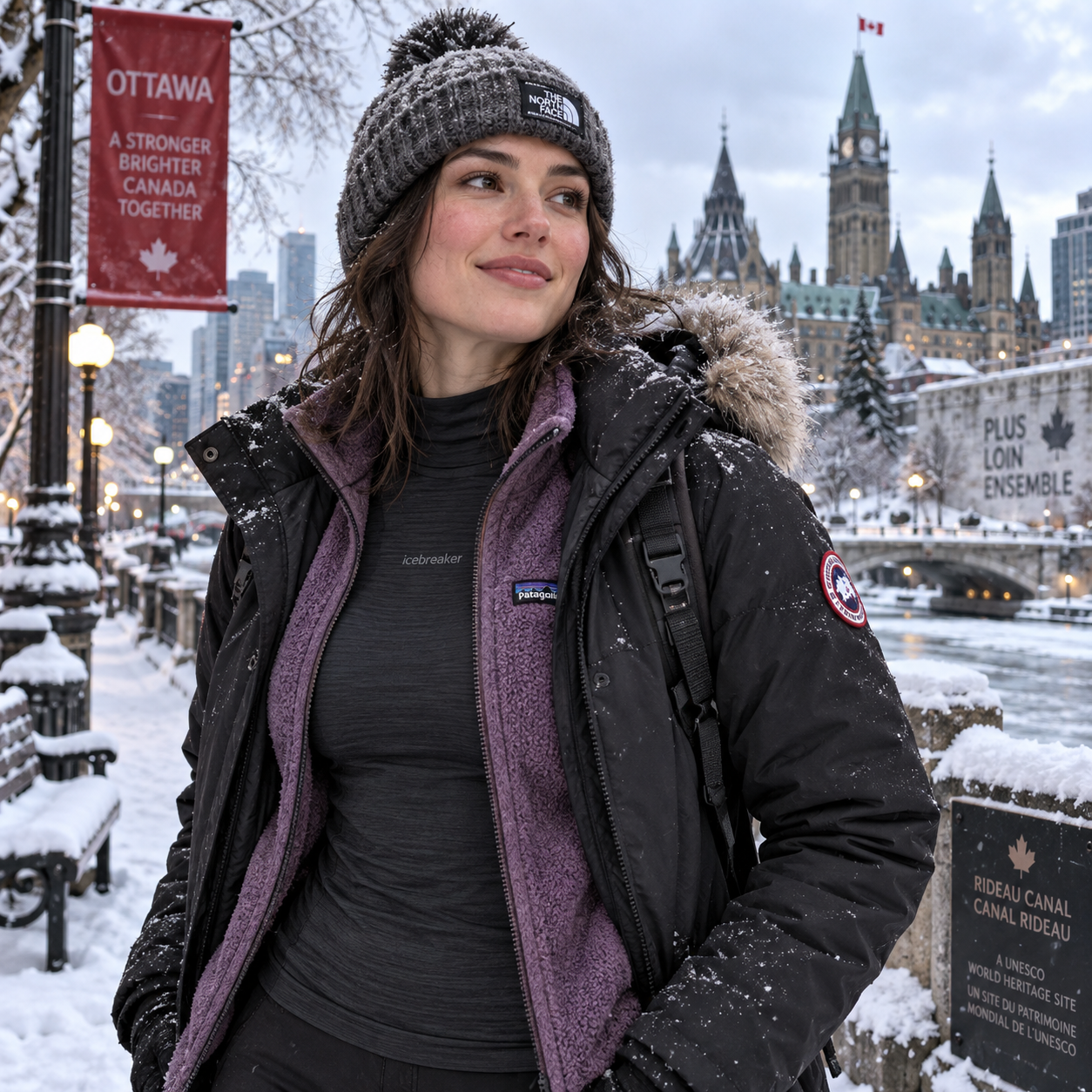
Choosing what to wear under a winter jacket can determine whether a cold day feels manageable or miserable. The right combination should keep you warm, move moisture away from your skin, preserve mobility, and allow you to adjust when you move between freezing streets, heated vehicles, and indoor spaces.
Canadian winter weather varies widely, from damp coastal cold to dry prairie wind and intense sub-zero temperatures. A practical layering system gives you more control than relying on one extremely heavy garment. It also helps you choose a winter jacket from a Canadian winter jacket outlet with the right insulation, fit, and weather protection for your routine.
Why Layering Matters in Winter
Layering matters in winter because it manages moisture, traps warmth, and lets you adjust clothing as conditions change. A flexible system is usually more comfortable than wearing one bulky layer for every situation.
Your body loses heat quickly when sweat dampens clothing next to the skin. A good layering system moves moisture outward while using air pockets between garments to slow heat loss. The outer jacket then blocks wind, snow, and rain.
Layering also handles the contrast between low-activity and high-activity conditions. Waiting for a bus in strong wind requires more insulation than walking briskly to work. If you wear the same heavy sweater for both, you may feel cold while standing and overheat during movement.
A useful way to plan an outfit is the Warmth–Moisture–Mobility check:
- Warmth: Do the layers provide enough insulation for the time you will spend outside?
- Moisture: Can perspiration move away from your skin and escape?
- Mobility: Can you raise your arms, sit, drive, and carry a bag without restriction?
When one layer solves a problem but creates another, adjust the system. Choosing maximum insulation may increase bulk, while choosing maximum breathability may leave you underdressed during long periods of inactivity.
The Three Essential Layers
The three essential layers are the base layer, mid layer, and outer layer. The base layer manages moisture, the mid layer provides insulation, and the outer layer protects you from wind and precipitation.
Base layer
The base layer sits next to your skin. It should fit close enough to move moisture away without feeling restrictive. Thermal underwear, long-sleeved tops, leggings, and winter-weight socks can all serve this purpose.
Mid layer
The mid layer holds warm air around your body. Fleece, wool sweaters, down vests, and lightweight insulated jackets are common choices. This layer should add warmth without compressing the insulation inside your winter jacket.
Outer layer
The outer layer is the weather barrier. A parka, insulated jacket, or breathable shell protects the inner layers from wind, snow, and wet conditions. Some jackets combine insulation and weather resistance; others work as part of a modular system.
Think of the system as a progression: move moisture away, add insulation, then block the weather. Your winter jacket may provide both the mid and outer functions, so you do not always need three separate garments.
Choosing the Right Base Layer
The right base layer is close-fitting, moisture-wicking, and comfortable for the activity ahead. Merino wool and synthetic fabrics are the most versatile choices for Canadian winter conditions.
Merino wool regulates temperature naturally and remains relatively comfortable when slightly damp. It also resists odour, which helps when you wear the same thermal top during travel or a full workday. Lightweight merino works well for commuting and everyday use, while heavier versions provide more warmth for prolonged exposure.
A synthetic moisture-wicking fabric, such as polyester or a nylon blend, dries quickly and often costs less than merino wool. It is a strong option for snowshoeing, skating, outdoor work, and other activities that create perspiration. The trade-off is that synthetics can retain odour and may feel less comfortable to some people.
Look for a smooth, stretchable thermal top and leggings that sit flat under your clothing. Avoid excess fabric around the waist, wrists, and ankles, where it can bunch beneath a jacket or trousers. The base layer should feel like a second skin, but it should never compress your breathing or limit movement.
- Dry, cold conditions: Merino wool or a synthetic thermal set can work well.
- High-output activity: Choose a lightweight synthetic moisture-wicking fabric or thin merino.
- Long periods outdoors: Use a warmer base layer and add insulation rather than choosing an extremely tight garment.
- Sensitive skin: Try a fine merino blend, soft synthetic fabric, or a base layer with a smooth inner finish.
For detailed cold-weather safety guidance, consult resources from Health Canada on extreme cold.
Selecting a Warm and Flexible Mid Layer
A mid layer should add insulation while leaving enough room for movement and the jackets own fill. Fleece is the most adaptable everyday option, while wool and lightweight insulated layers suit different levels of warmth and weather exposure.
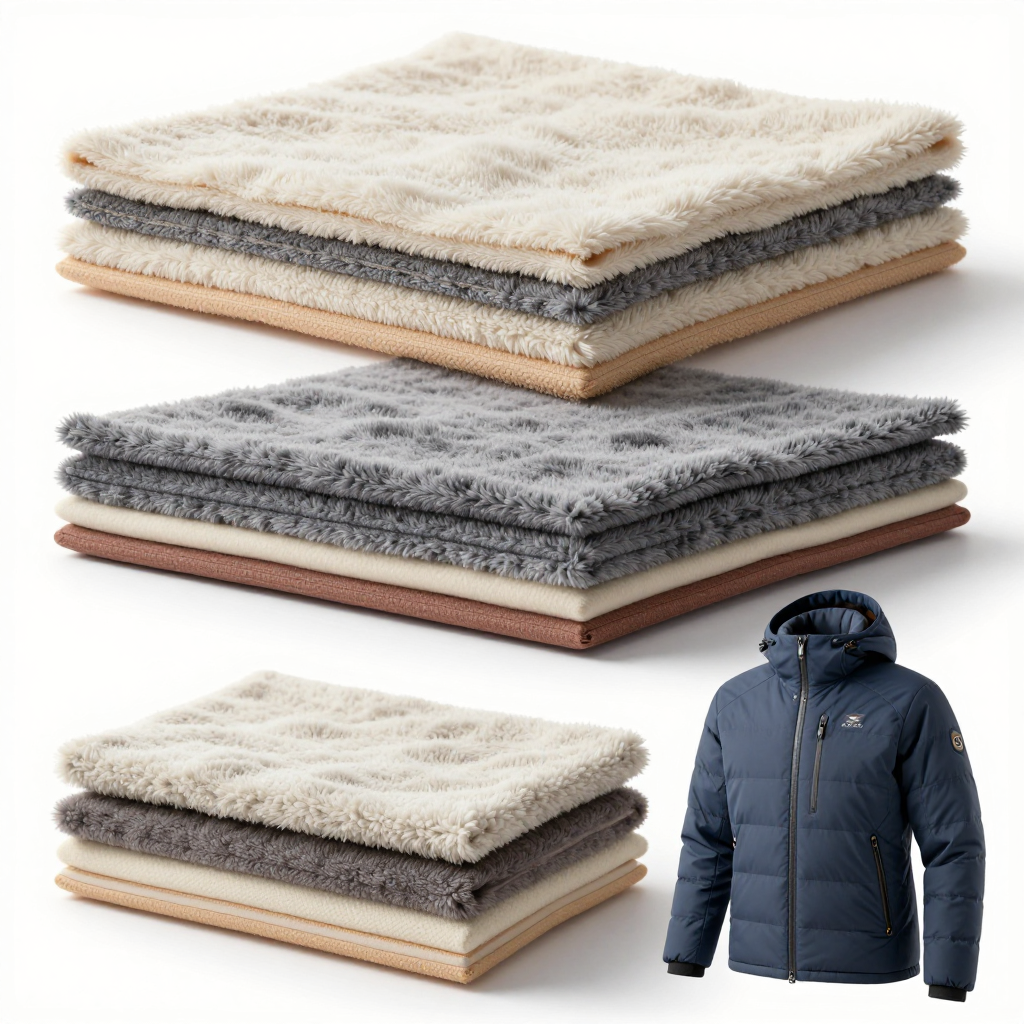
Fleece is breathable, quick-drying, and available in light, medium, and heavy weights. A thin fleece works under a fitted insulated jacket; a thicker fleece is better beneath a roomy parka or shell. Fleece can allow wind through, so it performs best under a weather-resistant outer layer.
A wool sweater provides warmth and a polished appearance for commuting or errands. However, thick knitwear can create pressure across the shoulders and elbows. Choose a fine-gauge wool or wool blend when wearing it beneath a close-cut jacket.
A lightweight insulated vest or jacket adds warmth to the torso without making the arms feel crowded. Down offers a strong warmth-to-weight ratio in dry conditions, while synthetic insulation handles damp weather more reliably. Both options can become too warm during vigorous activity.
Use this simple selection rule:
- Choose light fleece for active movement and moderate cold.
- Choose medium fleece or fine wool for commuting and everyday urban wear.
- Choose a lightweight insulated layer for standing outdoors or facing extended cold exposure.
Do not automatically add a thick sweater. Sometimes a thin thermal top plus a better-fitting insulated jacket provides more usable warmth and mobility than several bulky garments.
How to Match Layers to Your Winter Jacket
Match your layers to the jacket’s insulation, cut, and weather resistance. Down and synthetic-insulated jackets need low-bulk layers, while a breathable shell requires separate insulation underneath.
Down and synthetic-insulated jackets
An insulated jacket already supplies substantial warmth, so pair it with a close-fitting base layer and a thin fleece or wool mid layer. Overfilling the jacket can compress its insulation and reduce comfort. Check that you can zip the jacket fully without pulling across the chest or shoulders.
Parkas
A parka usually offers a longer cut, a roomier fit, and stronger protection for low-activity cold. It can accommodate thermal underwear, a sweater, or medium fleece. Keep the inner layers smooth around the waist so the parka closes evenly and does not catch when you sit.
Breathable shells
A breathable shell provides wind and precipitation protection but little insulation. Wear a base layer plus fleece, wool, or a lightweight insulated jacket underneath. This combination is useful when conditions shift between wet snow, wind, and active movement.
Before leaving home, test your full outfit indoors. Reach forward, lift your arms, bend at the waist, and sit down. If the jacket pulls, the cuffs ride up, or the zipper strains, remove bulk or choose a roomier cut. A good fit should preserve the loft of insulated panels rather than flattening them.
Layering for Different Canadian Winter Activities
The best layering combination depends on how long you will be outside, how actively you will move, and whether you can remove a layer. Low-activity exposure needs more insulation; high-intensity movement needs lighter, more breathable clothing.
Commuting and errands
Start with a moisture-wicking base layer, add a fine wool sweater or medium fleece, and wear an insulated jacket or parka. Choose a jacket with enough room for the mid layer, especially if your commute includes waiting outdoors.
Walking and dog walking
For steady walking, use thermal underwear with light or medium fleece beneath an insulated jacket. Add a wind-resistant outer layer if gusts are common. Gloves, a hat, and warm socks matter because exposed extremities can become uncomfortable before your torso does.
Outdoor work
Outdoor work requires durable, moisture-managing layers that can handle repeated movement. Try a synthetic base layer, breathable fleece, and a weather-resistant insulated jacket. Keep an extra dry base top available if your work produces heavy perspiration.
Travel
Travel outfits should adapt quickly to heated terminals, vehicles, and outdoor transfers. Wear a light merino or synthetic base layer, a thin fleece or insulated vest, and a compressible jacket. Choose pieces that can be removed and packed without taking up excessive space.
High-intensity activities
For skating, hiking, or snowshoeing, begin with a lightweight moisture-wicking base layer and breathable fleece. Use a breathable shell or lightly insulated jacket, then carry an additional warm layer for rest stops. Dressing for movement alone can leave you cold when you slow down.
Common Layering Mistakes to Avoid
The most common layering mistakes are trapping moisture, creating excessive bulk, and ignoring the difference between activity levels. Correcting these issues improves warmth more effectively than simply adding another garment.
Wearing cotton next to the skin
The error: Using a cotton T-shirt as the base layer. Cotton absorbs perspiration and dries slowly, leaving damp fabric against your skin.
Why it happens: Cotton feels comfortable indoors and is familiar in everyday wardrobes. The correction: Replace it with merino wool or a synthetic moisture-wicking top, particularly for active outdoor use.
Making every layer too tight
The error: Choosing close-fitting thermal underwear, sweater, and jacket at the same time. Tight layers can restrict movement and compress insulation.
The correction: Keep the base layer close, but allow the mid and outer layers enough room for natural movement and trapped air.
Adding too much bulk
The error: Wearing multiple thick sweaters under an insulated jacket. This can make zippers strain, reduce arm mobility, and create cold gaps at the neck or cuffs.
The correction: Use one efficient mid layer and select a jacket designed to accommodate it. A thinner, better-coordinated system often feels warmer.
Ignoring ventilation and wet conditions
The error: Wearing a heavily insulated outfit during strenuous activity or relying on absorbent fabrics in wet snow.
The correction: Open pit zips or the front zipper before overheating, remove the mid layer when practical, and choose synthetic insulation or a breathable shell when damp conditions are likely.
Frequently Asked Questions
What should you wear under a winter jacket?
Wear a moisture-wicking base layer, then add a fleece, wool, or lightweight insulated mid layer when needed. The exact combination depends on temperature, wind, activity, and the insulation already built into the jacket.
Is merino wool or synthetic fabric better for a base layer?
Merino wool offers odour resistance and comfortable temperature regulation, while synthetic fabric dries quickly and suits high-output activity. Neither is universally better; choose based on activity, skin comfort, drying needs, and budget.
How many layers should you wear in Canadian winter?
Many people need two layers under a winter jacket: a base layer and a mid layer. In milder weather or during active movement, the base layer and jacket may be enough. In severe cold or long periods of standing, add insulation and protect exposed extremities.
Can you wear a sweater under an insulated jacket?
Yes, provided the sweater is not so thick that it compresses the jacket’s insulation or limits movement. Fine-gauge wool and medium fleece usually work better than oversized cable knits.
How can you layer without feeling bulky?
Use a close-fitting base layer, one efficient mid layer, and a jacket with an appropriate cut. Thin merino, lightweight fleece, and compact synthetic insulation provide warmth while preserving mobility. Test the complete outfit before committing to it for a long day outdoors.